-
15-5PH Stainless Steel: Why It’s Not Just an Alternative to 17-4PH
15 5ph stainless steel is getting a lot of attention from procurement teams across multiple sectors such as aerospace, defence, oil and gas, and precision engineering. However, there are plenty of buyers who still think of 15-5PH as just a substitute for the more traditional 17-4PH. 15-5PH is not a substitute for 17-4PH, and…
-
Choosing the Right Aluminium Alloy for Welding, Machining and General Fabrication
Despite its long-term cost-saving and performance-related implications, the selection of aluminium alloys is frequently overlooked. This choice often comes under the spotlight when component failures occur on the shop floor. For fabricators, machine shops and OEMs purchasing plate, sheet, bar, and extrusions, the distinction between 5000- and 6000-series alloys is critical. This distinction affects…
-
Understanding EN 10204 Material Certification: Why Mill Test Certificates Matter for Metal Procurement
When it comes to sourcing stainless steel, titanium, or nickel alloys, it is only half the battle. For procurement and engineering professionals in the aerospace, marine, chemical processing, and power generation industries, the metal is often secondary to the value of the paperwork that accompanies the delivery. That paperwork is generally in the format…
-
Specifying AMS 5659: What Manufacturers Need to Know About 15-5PH Stainless
While the AMS 5659 specification is critical for precision manufacturing, it has received little attention outside of the aerospace and defense procurement divisions. It is the specification widely cited for 15-5PH stainless steel bars, forgings, and forging stock, and is a go-to reference point for engineers who require martensitic precipitation-hardening alloys that offer high…
-
Choosing the Right Stainless Steel Grade for Chemical Processing Pipework
The type of stainless steel you choose can make a long-lasting system become a money pit in a matter of years. Choosing the wrong grade means that the materials can not withstand the corrosive media, elevated temperatures, and cyclic pressure, and that mistake will not be cheap to fix. Most facilities start with austenitic…
-
Why 17-4 Stainless is Everywhere in Aerospace Components
Chances are good that if you have ever specified materials for use in aerospace parts, you have run into 17-4 precipitation hardening stainless steel. It’s everywhere: landing gear parts, fasteners, valve bodies, actuator parts, and countless other structural components. Why? It’s not because of some sort of inertia or because everyone in the aerospace…
-
The Workhorse Behind the World’s Hottest Engines
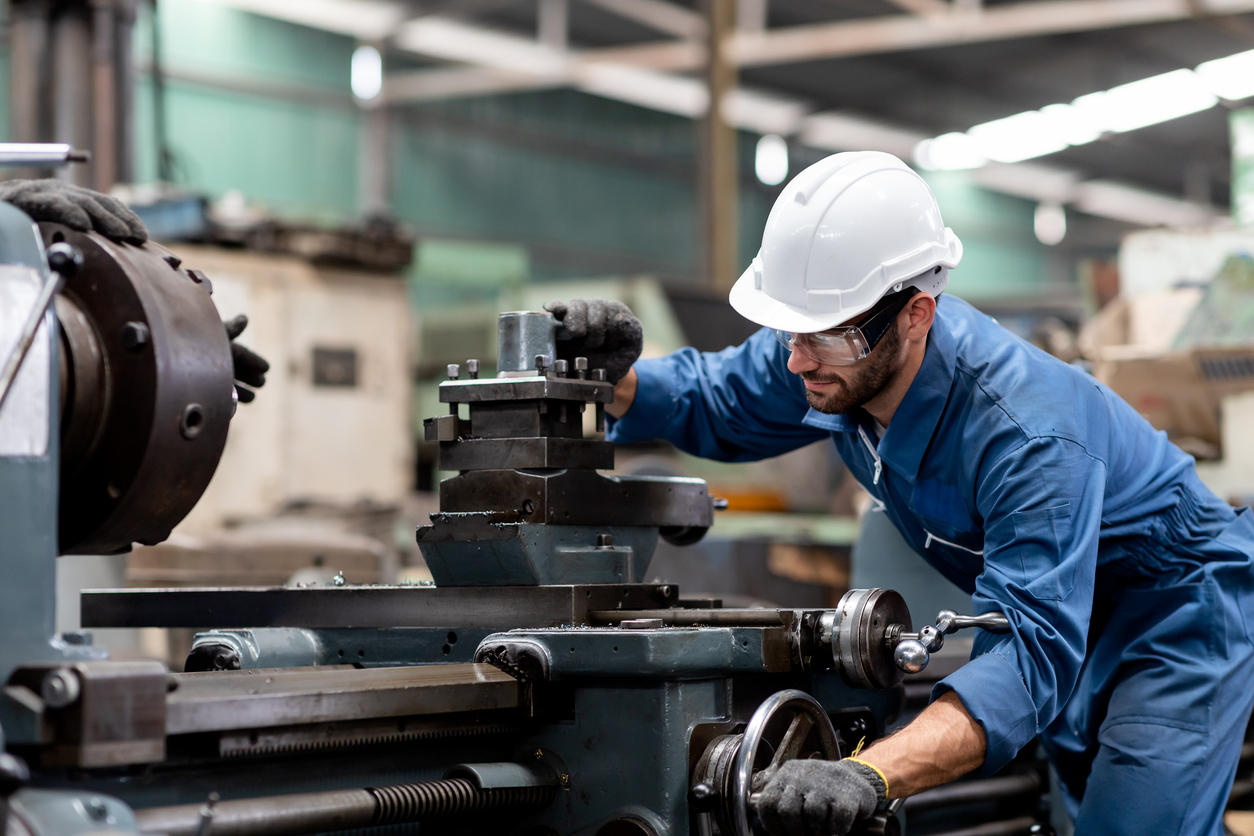
At its core, Nimonic 90 is a superalloy – used for very specific tasks when it comes to aviation. The actual formula for the alloy is about 60% nickel, 20% chromium, and smaller percentages of cobalt, titanium, and aluminium. It is the combination of all of these that gives the alloy its rather impressive…
-
Meeting the Increased Need for Marine-Grade Nickel Alloys
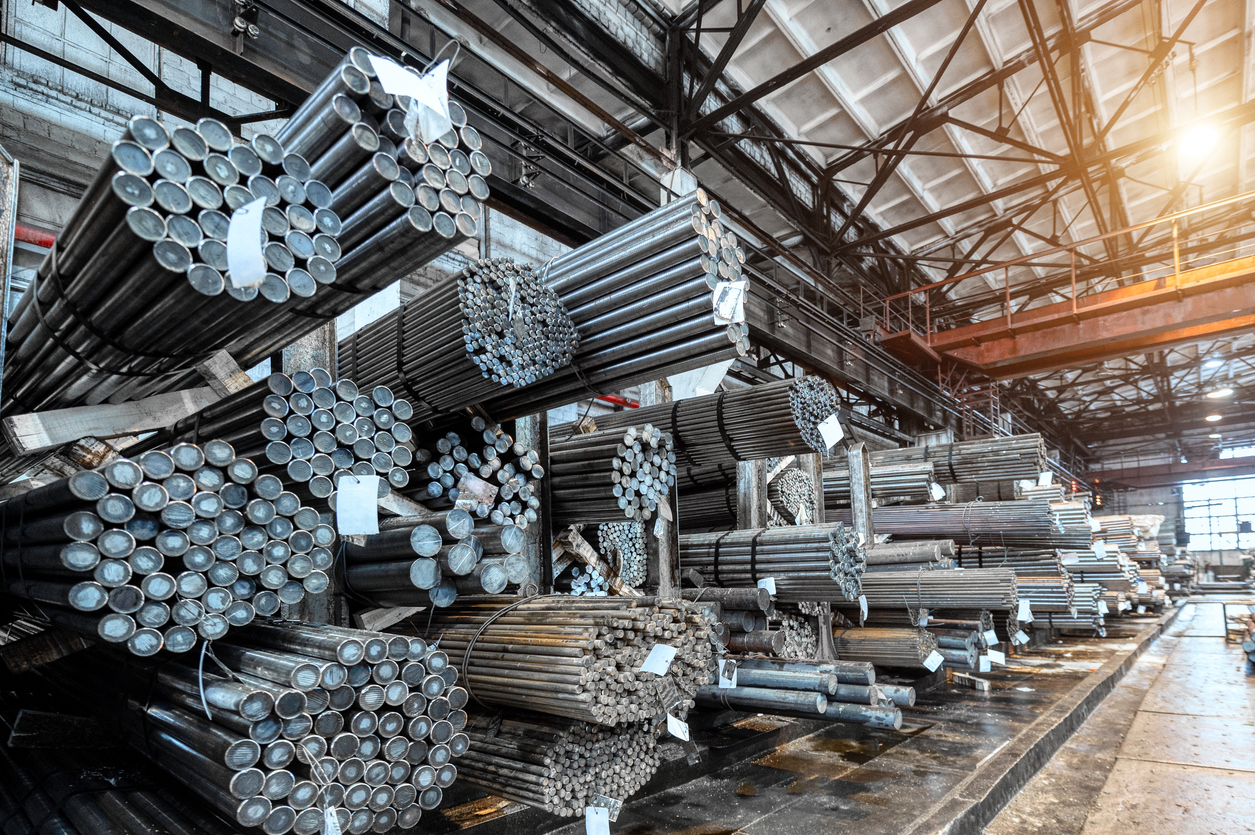
As the UK diversifies its wind generation portfolio and more activities take place in marine infrastructure, we have had more inquiries for corrosion-resistant nickel alloys. We have enlarged our stock of nickel-copper alloys due to the increased demand for nickel-copper alloys for offshore installations and seawater applications. If you are engaged in marine and…
-
Why UK’s Manufacturers are Arriving to Titanium
In the last couple of months, more and more manufacturers are beginning to use titanium as an alternative to heavier metals. Its primary reason is its strength-to-weight ratios. This is particularly important for companies trying to raise their efficiencies and for those with more restrictive weight requirements. We have been collaborating with customers from…