At its core, Nimonic 90 is a superalloy – used for very specific tasks when it comes to aviation. The actual formula for the alloy is about 60% nickel, 20% chromium, and smaller percentages of cobalt, titanium, and aluminium. It is the combination of all of these that gives the alloy its rather impressive properties. The most obvious application is in jet engines. However, the term “jet engines” is a bit misleading when discussing the actual application of the material. The turbine blades and discs of the engine operate in some of the most extreme conditions imaginable. For most materials, the conditions would be enough to bring tears to their metaphorical eyes. The front end of the turbine not only has to handle the extreme temperatures, but the centrifugal force of the spinning components is enough to fling anything not nailed down at top speed.
Nimonic 90 excels in these conditions because it does not succumb to creep. This is a gradual deformation of the material that can have disastrous results for a rotating component. A turbine blade that gradually extends over time is not just a less-than-efficient component; it is a disaster waiting to happen. This alloy has a crystal structure that has been enhanced by the addition of titanium and aluminium. This structure battles against creep deformation with great strength.
Outside the internal components of a turbine engine, you can expect to find Nimonic 90 in an exhaust system, afterburner components, and various fixtures that have to withstand temperature extremes as well as constant high temperature. These are not components that are particularly glamorous, but try building an engine without these components.
The Manufacturing Reality
However, there are various realities associated with the manufacturing process of this alloy. This is why not all components in an aerospace engine are made from this particular alloy. This alloy is notoriously difficult to work with. While it is useful for an engine component because of its characteristics in extreme heat, it is a nightmare at room temperature.
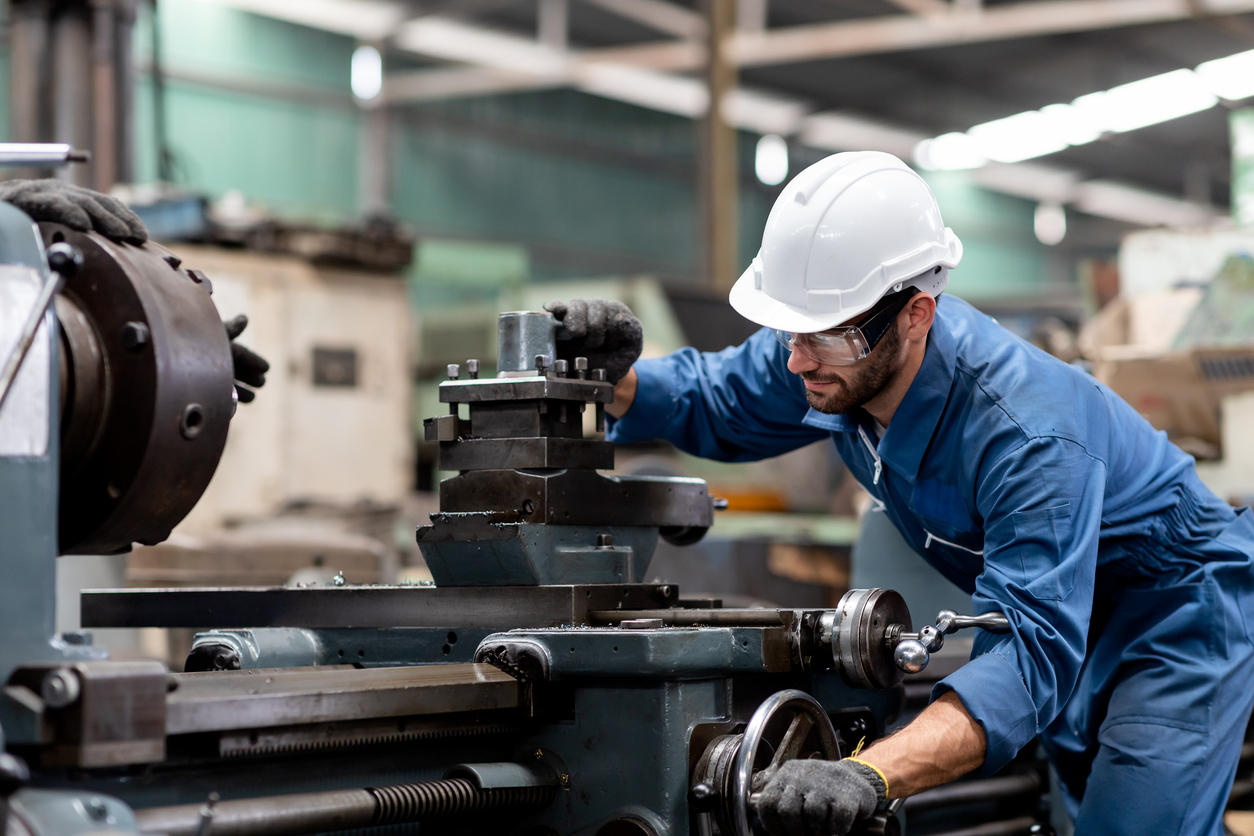
You will need special tools for cutting this alloy. You will need reduced speeds and special care in managing temperature during the machining process. You will need special welding techniques as well. Conventional welding techniques are not going to cut it. You will need techniques such as TIG or electron beam welding. This is not an alloy for an amateur. You will need great care in the heat treatment process as well. This alloy is usually solution-treated and aged at specific temperatures. If you get this wrong, you will have an alloy that looks perfectly good on the surface but does not have the performance characteristics that you have paid for.
Comparing the Options
Nimonic 90 is just a small part of a wide range of materials, each with their individual properties. For example, Nimonic 75 has good high-temperature properties at a lower cost, but at the expense of creep resistance. Nimonic 105 and 115 have better high-temperature properties, but they get increasingly difficult to use and costly.
Then there are the competing alloy systems themselves: Inconel, Waspaloy, and all the rest. Each has its own loyalists. Nimonic 90 has succeeded by finding its own niche: not necessarily the best at anything particular, but a happy compromise between high-temperature strength, ease of working, and cost.
The Future
The world of aerospace is constantly changing, with new and innovative materials being developed all the time. Nimonic 90, however, remains. It’s not because it’s a “vintage” material, but because it still has a use. It does a job, and it does it well.
For anyone looking into high-temperature materials for the first time, Nimonic 90 can be a valuable introduction. It can help explain the compromises involved with choosing a material and the fact that “best” can only be defined on a case-by-case basis.
Sometimes the best solution is the simplest: realising when a proven material fits the needs perfectly.
Leave a Reply